
Why African Discipline Is Different From Western Discipline And Which One Actually Works
Discipline isn't just willpower. Discover why African cultural frameworks like Ubuntu outperform Western productivity systems and how to combine both.
AFRICAN CULTURAL IDENTITY AND NEUROSCIENCE
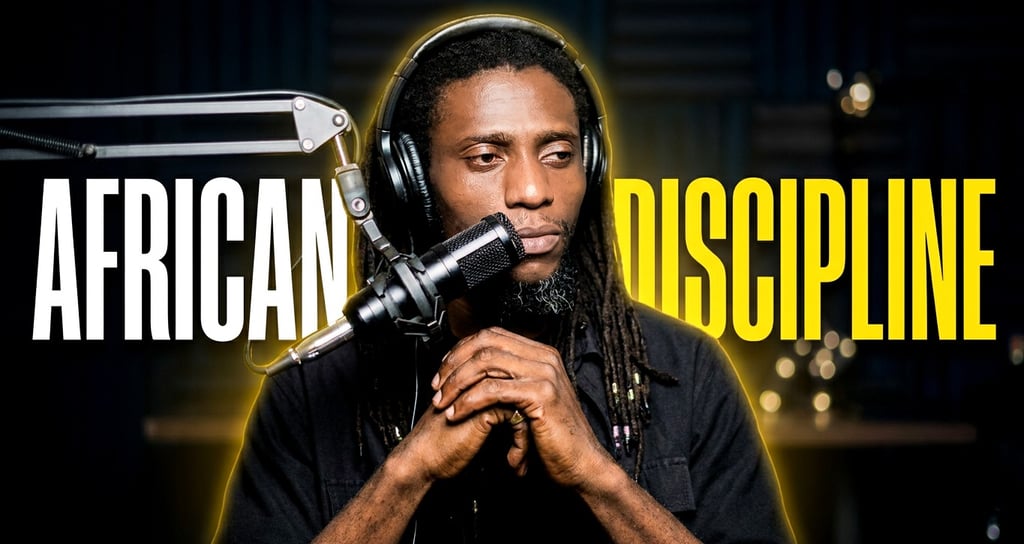
You've been told discipline is about willpower. Wake up at 5 am. Cold shower. Track every habit. Grind harder than the next person.
But here's a question the productivity world rarely asks: why do communities that have survived colonization, famine, displacement, and systemic poverty so often show resilience that outlasts every Western "high-performance" system ever sold? It's not because these communities are made of tougher individuals. It's because discipline was never taught as a personal trait, it was taught as an inherited identity.
The Real Conflict: Individual Willpower vs. Collective Identity
Western discipline, as it's packaged today, rests on three pillars: the individual as the unit of change, willpower as a resource that depletes, and optimization, habit stacks, trackers, biohacking.
Many African cultural frameworks operate differently, rooted in a shared philosophical thread best known through the Southern African concept of Ubuntu: "I am because we are." Here, discipline isn't willed into existence alone. It's relational, sustained by community expectation, ancestral narrative, and collective accountability.
What the Neuroscience Actually Shows
This isn't just philosophy it's measurable biology. Chronic stress raises what researchers call allostatic load, the cumulative wear stress leaves on your body. Critically, the same stressor produces a different allostatic load depending on whether you face it alone or within a supported community.
This is social buffering: perceived community support lowers cortisol reactivity and dampens the brain's threat response, even when nothing about the hardship itself changes. Add to this redemptive narrative identity framing hardship as part of a meaningful, ongoing story rather than a random personal failure and you get better-regulated stress circuitry in the brain.
In short: willpower-based discipline tries to solve a neurological problem with a purely behavioral tool.
Why Western Systems Often Fail
Most habit trackers and solo accountability apps strip out the social buffering layer entirely. You're optimizing in isolation, absorbing every setback at full intensity, with identity treated as an afterthought rather than the foundation.
The Unbreakable Mind Blueprint
Drawing from Ubuntu philosophy, a more sustainable model has four components: communal accountability, inherited narrative, rites of passage instead of endless habit stacking, and hardship reframed as shared meaning, not personal failure.
5 Steps You Can Start Today
Build a witnessed goal: tell someone and let them check on you.
Write your inherited narrative: "I come from people who survived ___, which means I already carry the ability to ___."
Turn your goal into a threshold with a clear start and completion.
Reframe setbacks as shared story, not personal failure.
Keep your Western tools: just stop running them in isolation.
If you want structured support putting this into practice, the Neuro-Ubuntu coaching program walks through this exact blueprint. Click here to get access now.
Watch the full Video breakdown: Why African Discipline Is Different From Western Discipline
Subscribe to our newsletter
Enjoy exclusive special deals available only to our subscribers.
Follow us
© 2026 Lokumu Institute. All Rights Reserved.
Neuro-Ubuntu™ is a trademark of Lokumu Institute.